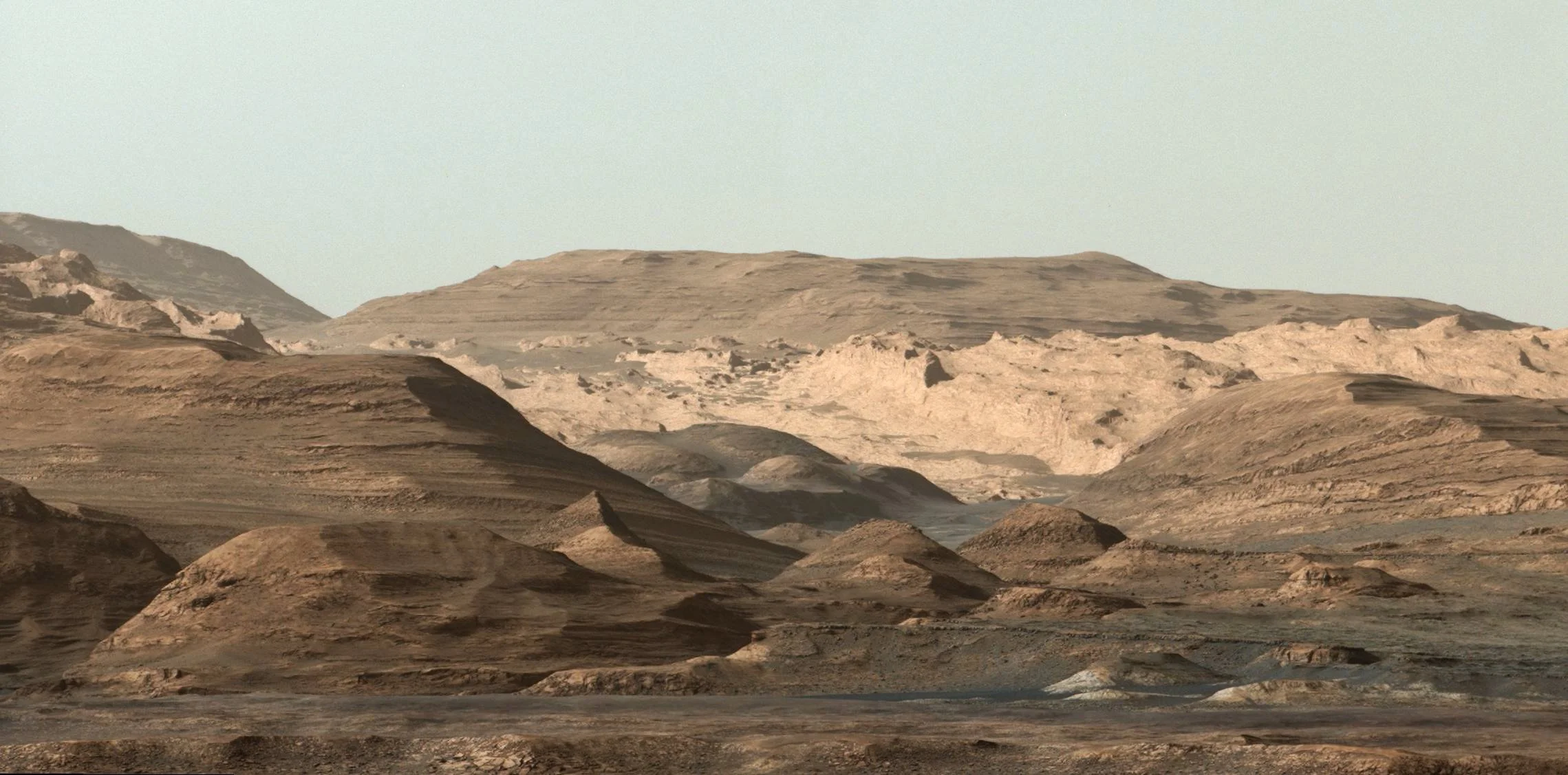
Planetary rovers may seem like bold explorers, but in reality they work under tight limits. On Mars, even simple instructions take minutes to arrive, so every move must be planned carefully. That keeps missions safe, but it also raises a question: if robots move slowly and stop often, how much of another world can we really study?
A star vanished in Andromeda, astronomers found signs of a black hole forming
Mysterious discovery: new instrument uncovers a huge bar-shaped iron feature in the Ring Nebula
The cosmos is filled with invisible dark matter and scientists may finally be on the verge of detecting it
When darkness shines: How dark stars could illuminate the early universe
A nearby supernova could help explain why Earth-like planets may be more common than we thought
A young solar system does not just build planets from dust and gas. It can also be shaped by what happens nearby, including the death of a massive star. New research suggests that a supernova at the right distance could quietly change a planet’s ingredients from the start, and that this setup may be more common than scientists once assumed.